Snail: The Handwritten Font That Feels Like a Conversation
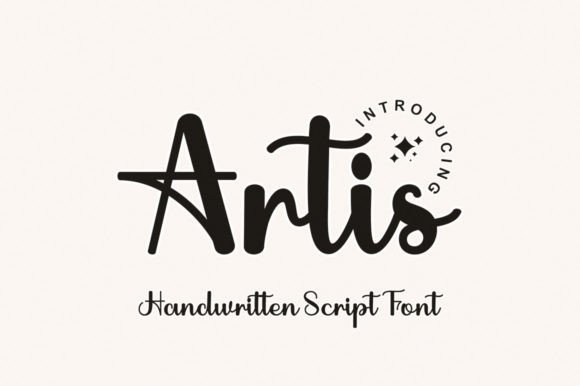
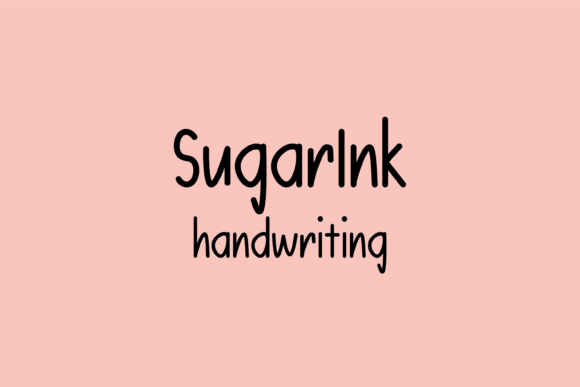
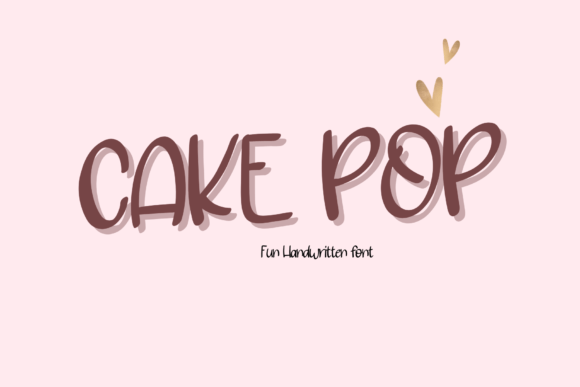
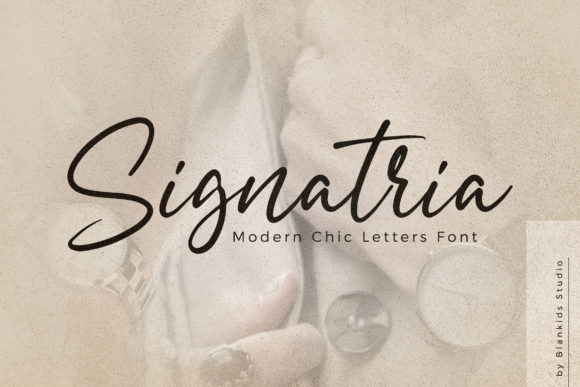
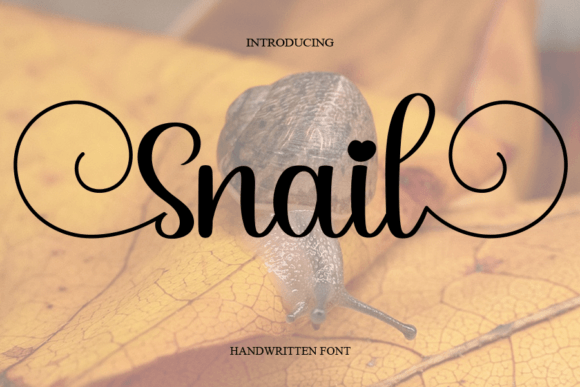
There's a particular charm to typography that doesn't try too hard. Snail, a handwritten font that walks the line between casual and crafted, captures that quality perfectly. It's the kind of typeface that makes a design feel approachable without sacrificing clarity. Whether you're designing a wedding invitation or building a brand identity for a small business, this font brings a human touch that many digital designs lack.
What makes Snail stand out isn't just its handwritten style—it's the consistency within that style. Many script fonts feel either too polished or too messy. Snail finds a middle ground. The letters have a natural flow, with slight variations in weight and angle that mimic real penmanship. Yet they remain legible at various sizes, which is crucial for practical design work. The overall personality is warm, friendly, and slightly playful, but never childish. It's a creative font that works across age groups and contexts.
Where Snail Truly Shines
Think about the last time a piece of design made you feel something. Often, it's the typography that sets the emotional tone. Snail excels in projects where connection matters more than formality. Greeting cards are an obvious fit—the font's handwritten quality makes messages feel personal and thoughtful. But its applications stretch much further.
For small business owners, Snail can become a cornerstone of brand identity. Imagine a boutique bakery using it for their logo design, menu headers, and packaging design. The font communicates artisanal quality and personal attention without saying a word. Bloggers and content creators find it useful for adding personality to social media graphics, newsletter headers, and website quotes. It breaks the monotony of standard sans serif fonts while remaining readable on screens.
In publishing, Snail works beautifully for chapter titles, pull quotes, or author names on book covers. It adds a human element to editorial design without overwhelming the body text. For crafters and hobbyists, it's a versatile design asset for scrapbooking, DIY projects, and personalized gifts. The font's appeal lies in its adaptability—it can feel cozy and intimate or energetic and modern depending on context and color choices.
Working With a Handwritten Typeface
Using any display font effectively requires some thought, and Snail is no exception. The first consideration is readability. While Snail maintains good legibility for a handwritten font, it's not meant for long paragraphs of body text. Use it strategically—for headings, short phrases, logos, or accent text. Pair it with a clean serif font or sans serif font for body copy to create visual hierarchy. This contrast helps Snail stand out while ensuring your overall design remains accessible.
Font pairing is where the magic happens. Snail plays well with both traditional and contemporary typefaces. Try combining it with a geometric sans serif for a modern typography feel, or with a classic serif for something more timeless. The key is balance—let Snail be the voice of personality while your supporting font handles the heavy lifting of readability.
Practical Considerations for Your Project
Before committing to any premium font, always test it in your specific context. Create mockups of how Snail will look in your actual designs—at the sizes you'll use, with the colors you've chosen, and alongside your other design elements. Check how it renders on different screens if you're working on web design or digital projects. Print a sample if you're designing for physical products.
Review what's included with the font family. Many quality handwritten fonts come with multiple styles—alternates, ligatures, or weights that give you more flexibility. Understanding these options helps you use the typeface to its full potential. Also, verify the commercial licensing terms, especially if you're creating designs for clients or products for sale. Most reputable font licenses cover standard commercial use, but it's always wise to double-check.
Snail isn't trying to be everything. It's not a workhorse font for technical documents or legal contracts. But for projects where you want to inject authenticity, warmth, and a distinctly human feel, it's a valuable tool in your design toolkit. The best typography choices aren't always the most sophisticated—sometimes they're the most appropriate. And for countless creative projects, Snail hits exactly the right note.